
 Leave a review on google
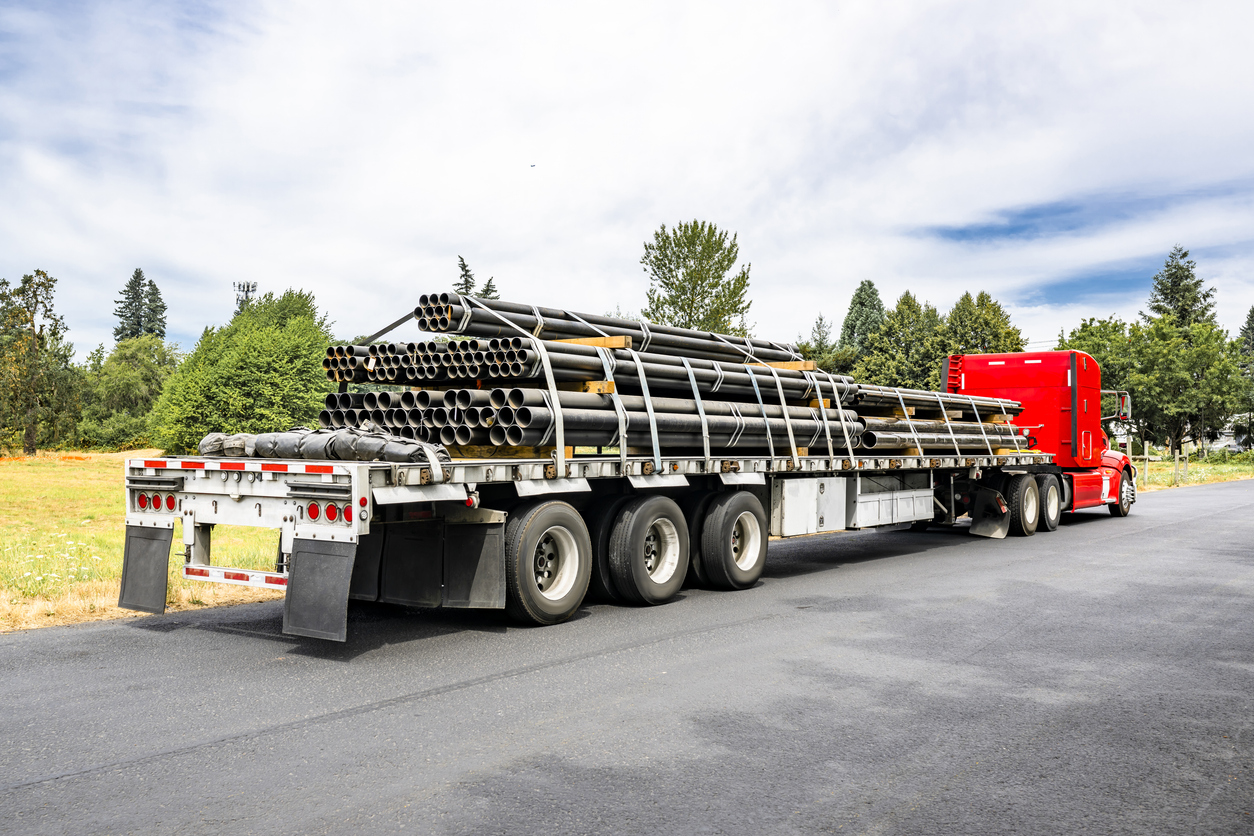
A flatbed trailer loaded with steel beams presents a different set of risks than a dry van carrying boxed goods. Yet many trucking businesses assume a standard insurance policy protects every load equally. The reality is that certain operations create exposures that require a more customized approach. Whether hauling construction materials, industrial equipment, oversized machinery, or other specialized freight, the right truck insurance program should reflect the unique risks of the cargo on the trailer.
Why Flatbed Hauling Creates Additional Risks
Flatbed trucking leaves cargo exposed. Unlike freight transported inside an enclosed trailer, flatbed loads face weather, road debris, and visibility-related challenges throughout the trip.
Cargo securement also becomes a major concern. The Federal Motor Carrier Safety Administration maintains detailed cargo securement regulations designed to prevent loads from shifting or falling from commercial vehicles. These rules apply to commercial vehicles operating in interstate commerce and are intended to reduce accidents caused by improperly secured cargo.
When a load shifts during transit or falls onto a roadway, the resulting claim may involve property damage, bodily injury, cargo losses, and legal expenses. Those costs can quickly exceed the protections provided by a basic policy.
Specialty Freight Can Stretch Standard Coverage Limits
Not all cargo carries the same level of financial risk. A trailer hauling lumber may represent a much different exposure than one carrying a piece of construction equipment worth hundreds of thousands of dollars. Specialty haulers frequently transport:
- Heavy equipment
- Oversized machinery
- Industrial components
- Structural steel
- Construction materials
These loads may require specialized trailers, permits, escort vehicles, or additional contractual obligations. They also increase the potential severity of a claim if an accident occurs.
Many shippers and brokers require carriers to maintain specific insurance limits before awarding contracts. Certificates of insurance and certain endorsements have become standard for doing business in many transportation sectors.
Common Coverage Gaps Trucking Businesses Overlook
Many trucking companies focus on liability coverage but overlook other areas that may create financial exposure.
- Cargo coverage limits: A policy that adequately protects lower-value freight may not fully cover specialized or high-value loads.
- Liability limits: Commercial auto liability insurance helps cover bodily injury and property damage claims arising from accidents involving business vehicles. However, large losses can exceed minimum coverage requirements. Businesses that face greater transportation risks may require higher liability limits.
- Equipment and trailer coverage: Specialty trailers and hauling equipment often represent substantial investments that may require separate coverage considerations.
Safe Hauling Practices Help Reduce Insurance Risks
Insurance responds after a loss, but strong safety practices can help prevent claims from happening in the first place.
For flatbed operators, cargo securement is one of the most important parts of the job. Because flatbeds lack enclosed sides and roofs, drivers must rely on chains, straps, binders, and other securement devices to keep freight in place throughout the trip. Improperly secured cargo can shift during transit, creating rollover risks, roadway hazards, property damage, and bodily injury claims.
Experienced flatbed drivers also conduct regular load inspections throughout a route. Road vibration, weather conditions, and normal vehicle movement can gradually loosen securement equipment, increasing the risk of cargo shifts. Industry safety guidance recommends checking loads periodically and verifying that the weight remains properly distributed across the trailer.
What are the safety considerations for flatbed trucking?
- Using the appropriate securement equipment for the cargo being hauled
- Verifying proper weight distribution before departure
- Inspecting chains, straps, and binders for wear or damage
- Performing load checks throughout the trip
- Following cargo securement requirements
A strong safety culture can reduce accidents, protect valuable cargo, and help trucking businesses avoid the costly claims that can drive up trucking insurance expenses.
Building a Truck Insurance Program That Fits Your Operation
The best trucking insurance strategy starts with understanding exactly what your business hauls and where potential exposures exist.
A carrier transporting oversized equipment across multiple states faces different risks than a company making local deliveries. Reviewing cargo types, trailer configurations, customer requirements, and contractual obligations can help identify areas where additional protection may be necessary.
Businesses should also periodically review their policies as operations grow or change. A company that started with standard freight may eventually expand into flatbed hauling, specialized cargo, or heavy equipment transportation.
Flatbed and specialty hauling can create opportunities for growth, but they also introduce risks that standard policies may not fully address. Contact Transparity Insurance today to discuss a truck insurance program designed around the realities of your operation.
About Transparity Insurance Services
Transparity Insurance Services was founded for the purpose of helping clients to insure their property and assets with no hassle. We are committed to providing a simple, easy, efficient, and positive experience to all of our clients and prioritize open and transparent communication. Through our excellent customer service and technology, we can help you find the right insurance program at a competitive price. Contact us today at (855) 889-2037 to learn more about what we can do for you.