
 Leave a review on google
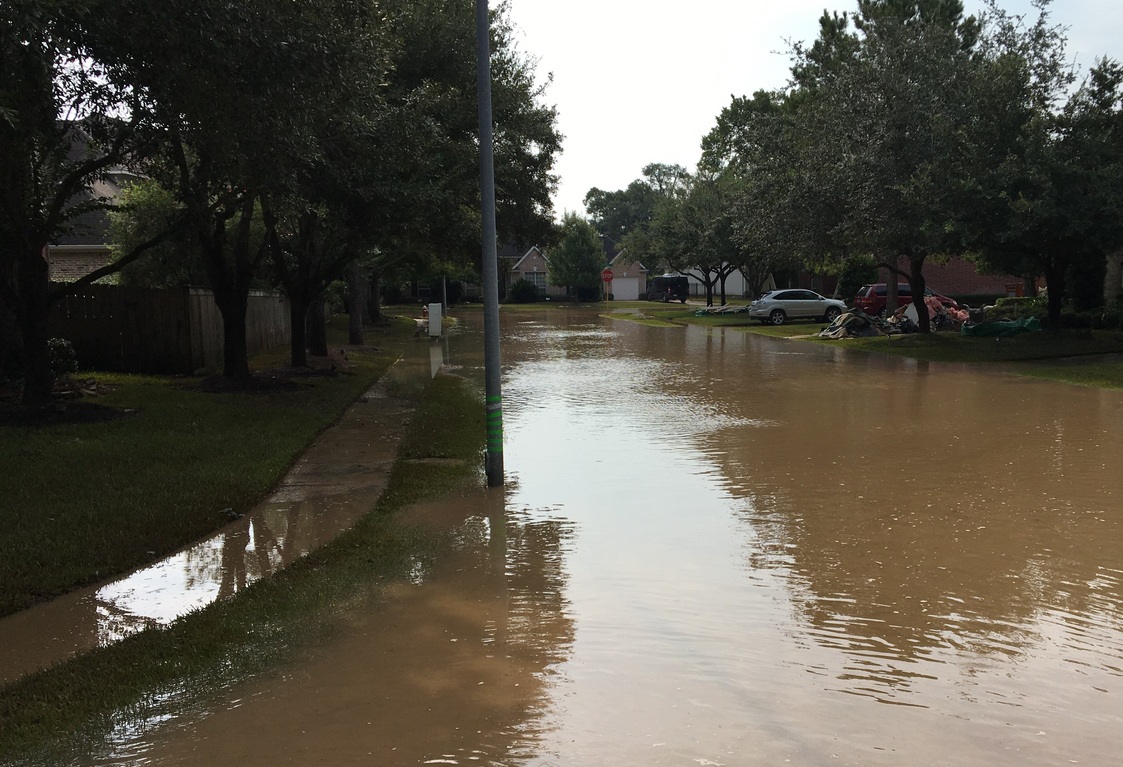
A higher National Flood Insurance Program (NFIP) renewal can raise an obvious question: If the Federal Emergency Management Agency (FEMA) limits annual premium increases, why does the cost keep going up? For Texas homeowners reviewing flood insurance rates, the answer starts with understanding how the NFIP’s annual rate cap works and when it applies.
What Does FEMA’s Flood Insurance Rate Cap Actually Do?
Under FEMA’s Risk Rating 2.0 methodology, some existing policyholders are still transitioning toward the full-risk rate calculated for their property. In many cases, federal law limits how much the NFIP premium can increase in a single year.
FEMA explains that most policy premiums may not increase by more than 18% annually as they move toward the full-risk rate. It does not mean a policy can increase by 18% only once, and it does not create a permanent ceiling on what the policy may eventually cost. If a policy remains below its full-risk premium, increases can continue in later years until that full-risk rate is reached.
The cap also does not apply in every circumstance. Certain property categories are subject to different statutory limits, and changes to coverage, deductibles, or applicable discounts can affect the amount due.
A renewal bill can create another point of confusion. Fees and surcharges fall outside the statutory premium cap, so the total amount due may appear to rise by more than 18% even when the premium itself stays within the applicable limit.
When Should You Compare Flood Insurance Providers in Texas?
An NFIP renewal is not the only flood insurance option available to Texas homeowners. The Texas Department of Insurance advises consumers to shop around because coverage and premiums can differ among insurers. Homeowners can purchase coverage through the NFIP or from private insurers.
A rising renewal can therefore be the impetus to compare flood insurance providers in Texas, particularly when the NFIP premium remains on a path toward its full-risk rate.
Price should not be the only deciding factor. An alternative policy needs to fit the homeowner’s property, financial needs, and any requirements imposed by a mortgage lender.
Compare More Than the Renewal Price
Start with the current policy and any alternative quote side by side. Review:
- Coverage limits: Compare the amount available for the structure and personal property.
- Deductibles: Look at both the premium difference and the amount the homeowner would pay after a covered loss.
- Exclusions and conditions: Determine where the policies differ rather than assuming two flood policies provide identical protection.
- Waiting periods: Check when new coverage takes effect, especially before replacing an existing policy.
- Lender requirements: Homeowners with required flood insurance should confirm that a proposed policy satisfies their lender’s requirements.
The comparison can reveal whether the NFIP renewal still makes sense or whether it’s worth considering other options. A lower premium alone does not establish that one policy provides a better fit.
Review Your Flood Options Before the Next Renewal
FEMA’s annual cap can limit how quickly many NFIP premium rates rise, but it does not necessarily prevent additional increases in later years. Homeowners are also not limited to accepting an NFIP renewal without reviewing the alternatives.
Comparing available coverage, deductibles, policy terms, and prices can provide a clearer picture of the options. Contact Transparity Insurance Services to discuss flood insurance for a Texas property and evaluate available coverage before the next renewal.
About Transparity Insurance Services
Transparity Insurance Services was founded for the purpose of helping clients to insure their property and assets with no hassle. We are committed to providing a simple, easy, efficient, and positive experience to all of our clients and prioritize open and transparent communication. Through our excellent customer service and technology, we can help you find the right insurance program at a competitive price. Contact us today at (855) 889-2037 to learn more about what we can do for you.